
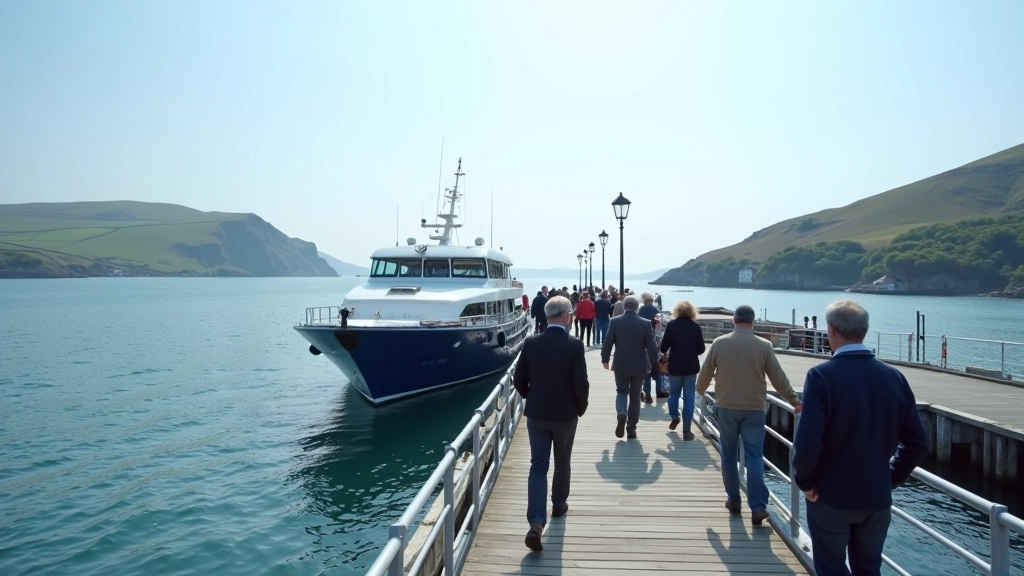
There's something special about arriving at an island by ferry. The gentle rock of the boat, the sea spray on your face, and that moment when you step onto a proper pier — it never gets old. If you're retired and exploring Cork's island experiences, ferry travel is honestly the best way to do it.
We've put together everything you need to know about pier visits, ferry schedules, and what makes island journeys so worthwhile for retirees. Whether you're a first-timer or you've taken these routes before, there's always something new to discover when you slow down and really experience the journey.

Planning Your Pier Visit
Getting to the pier is actually half the adventure. Most of Cork's main ferry points are easily accessible by car — there's ample parking at Garnish Island and Glengarriff Harbour. You'll want to arrive 20-30 minutes before your departure, which gives you time to get tickets, use the facilities, and grab a coffee without rushing.
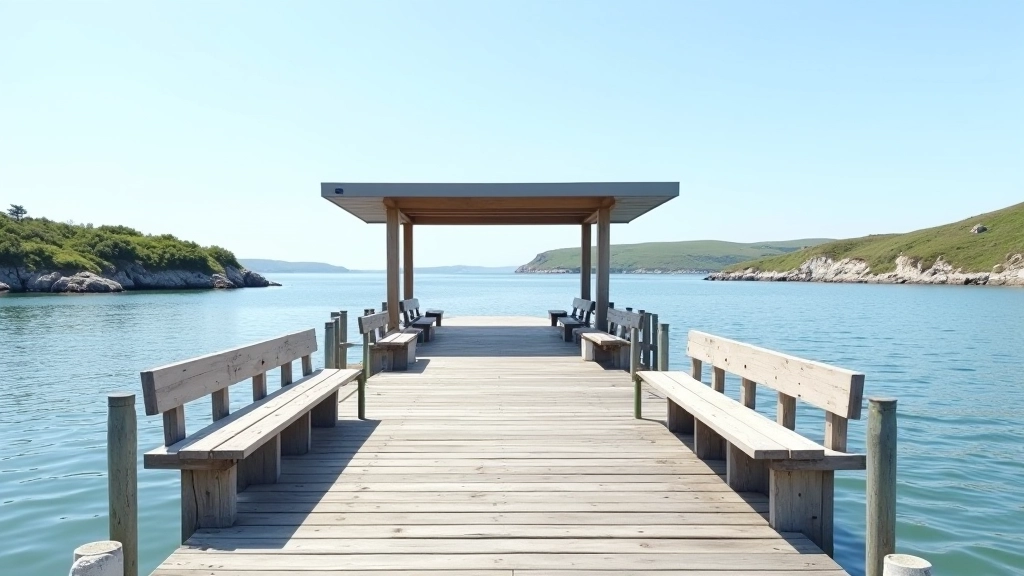
The piers themselves are well-maintained and retirement-friendly. Handrails are standard, walkways are level, and there's seating in the waiting areas. Bring a light jacket even in summer — it's cooler on the water. The crossing takes about 10 minutes to Garnish Island and 15 minutes to some of the outer islands, so it's never exhausting.
Pro tip: Tuesday to Thursday mornings are quietest. You'll have the pier almost to yourself, and the water's usually calmest mid-week. Friday and weekends fill up quickly during summer.
What the Ferry Experience Is Actually Like
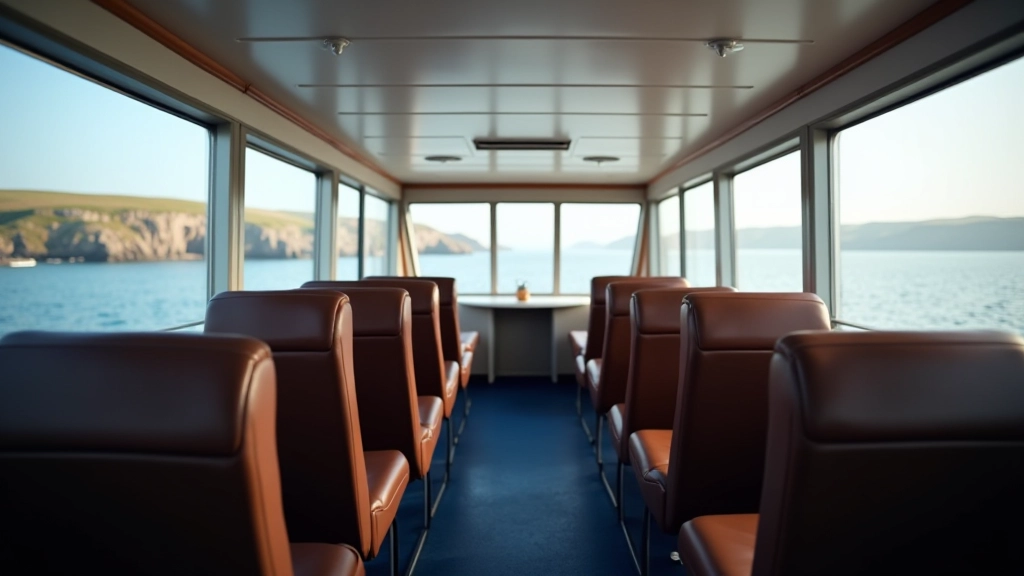
The boats aren't fancy, and that's part of their charm. They're built for the Atlantic — solid, reliable, and honestly, quite comfortable. Most ferries have covered seating areas, which is crucial if you want to avoid getting soaked. The crew are genuinely friendly and they've seen it all, so don't be shy about asking questions.
You'll notice the water changes as you go out. Near the pier, it's calm. Further out, you get a bit of swell — nothing violent, but you'll definitely feel the boat moving. If you're prone to seasickness, sit in the middle of the boat (less rocking) and keep your eyes on the horizon. Most people find it invigorating rather than uncomfortable.
The views are worth every minute. You're looking at real working islands, fishing boats, and coastline that hasn't changed much in decades. It's restorative in a way that photographs just can't capture.
Important Note: Ferry schedules vary seasonally and weather can cause cancellations. We recommend checking with individual ferry operators before planning your trip. This guide is for informational purposes — always verify current schedules, accessibility features, and pricing directly with operators. Weather conditions on the day of travel may affect the experience, and passengers with mobility concerns should contact ferry services in advance to discuss accessibility requirements.
Best Times for Ferry Travel
Summer's the obvious choice, but honestly, shoulder seasons are underrated. May and September have warmer water, longer daylight, and fewer tourists. You're not dealing with school holidays, so the ferries are quieter and you can actually breathe.
If you're thinking winter — and some retirees love it — know that ferries still run but schedules get tighter. December to February is dramatic: shorter days, rougher water, but incredible light. The islands look raw and beautiful. Just plan ahead because winter trips can be cancelled if conditions turn rough.
Tides matter more than most people realize. The ferries work around them, so your departure time might shift by an hour or so depending on the season. It's worth checking tide times if you're planning a longer stay on an island.



Practical Information You'll Actually Need
Ferry tickets are reasonable and you can usually buy them on the day. Most piers accept card payments now, though cash is still useful. Senior discounts aren't always advertised, but they often exist — just ask at the ticket window.
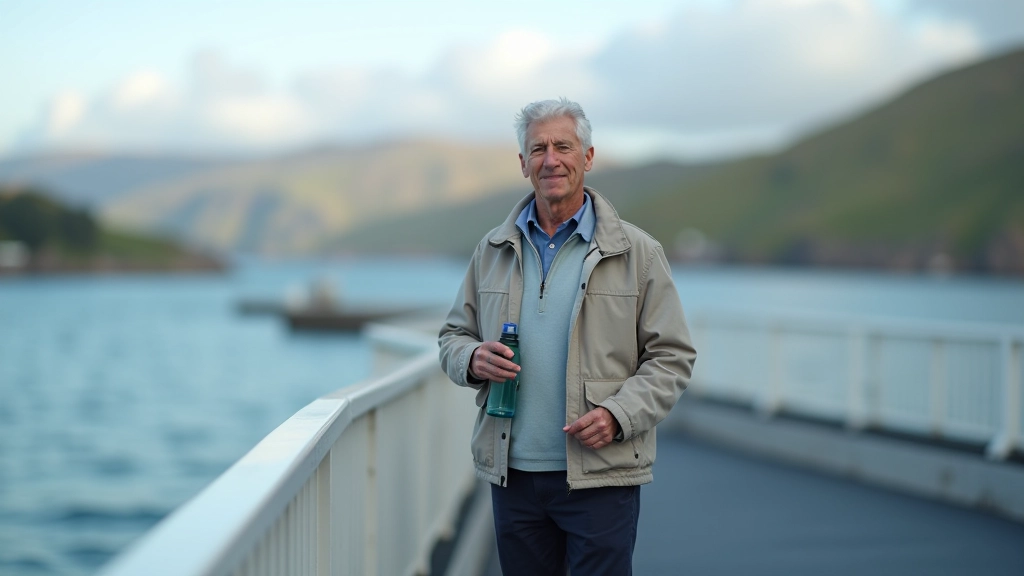
Bring water. Seriously. The sun reflects off the water and you'll get dehydrated faster than you'd expect. Sunscreen matters too — even on cloudy days, the reflection is intense. A waterproof bag for your phone is essential; sea spray is real and it doesn't discriminate.
Don't overthink what to bring. You're on a boat for 10-20 minutes, not crossing the Atlantic. A light sweater, your medications, and maybe a book. That's it. The islands have facilities, shops, and places to sit if you need a break.
Why Ferry Travel Matters
Here's the thing about ferry travel in retirement: it's not just about getting to an island. It's about the transition. You step away from the car, the parking worries, the mainland rush. For 15 minutes, you're suspended between two worlds. The work of the crew, the rhythm of the engine, the water beneath you — it all grounds you in something real.
Most retirees we've talked to say the ferry ride itself is their favourite part. Not the destination. The journey. And that's worth protecting. It's worth planning for, worth showing up early for, worth sitting with and experiencing properly.
The piers of Cork aren't fancy. They're functional, honest, and they connect you to something authentic. That's exactly what makes them special.